The Woman Behind the Smile…

Why Heart Disease Looks Different Across Communities.
April 28, 2026
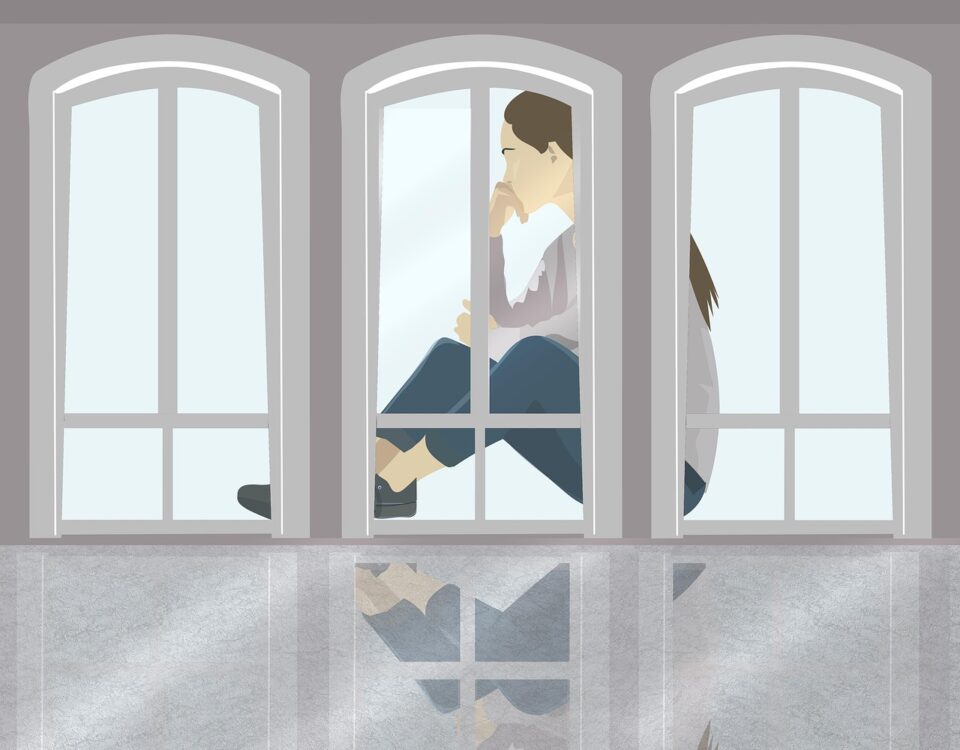
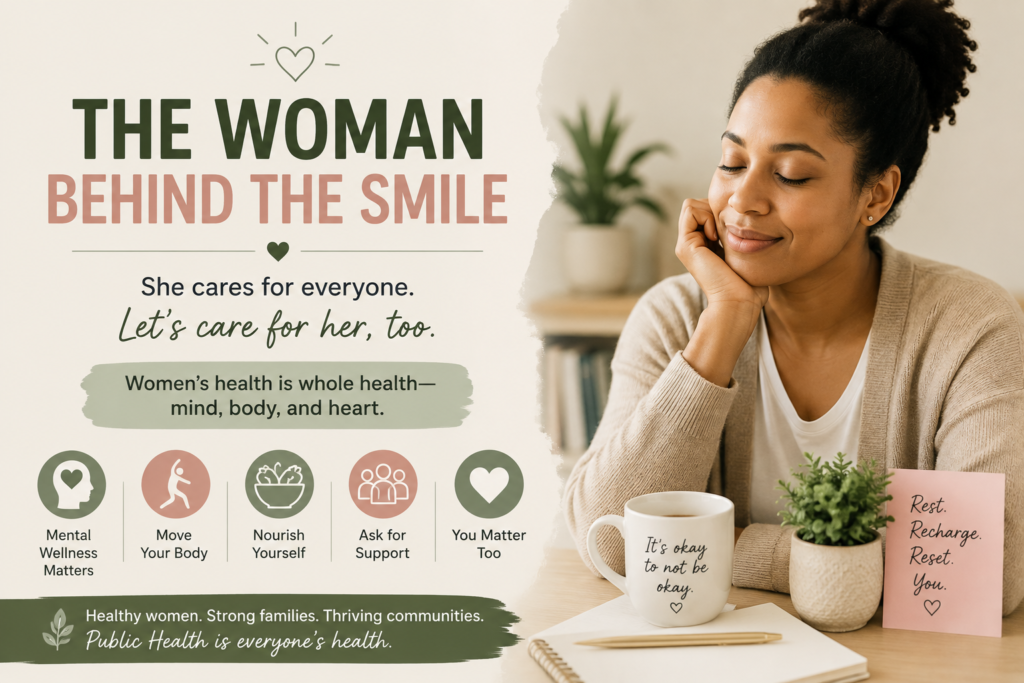
She smiles. She shows up. She takes care of others. She keeps going. But behind that smile may be a woman who is tired, overwhelmed, or quietly struggling. Women often carry many responsibilities at once caring for children and aging parents, managing households, building careers, supporting families, and being there for everyone around them. While these roles can be rewarding, constantly putting others first can take a toll on a woman’s physical and emotional health.
The Invisible Mental Load
The mental load is the constant thinking, planning, remembering, and organizing that happens behind the scenes. It can be remembering appointments, planning meals, managing schedules, meeting work deadlines, and worrying about the people we love. Because much of this work is invisible, it can easily go unnoticed. Over time, ongoing stress can affect sleep, energy, concentration, mood, and physical health. Caregiving can add another layer, particularly when women have little time or support to care for themselves.
Women Need Care, Too
Taking care of yourself is not selfish. It may mean getting enough sleep, moving your body, eating well, setting boundaries, making time for people who support you, keeping up with health appointments, or simply allowing yourself to rest. And when stress or emotional struggles become difficult to manage, seeking professional support is a sign of strength not failure. But this cannot be placed entirely on women. Families, workplaces, healthcare systems, and communities also have a role in creating environments where women can access care, support, and time to prioritize their health.
Look Beyond the Smile
Sometimes, the woman who says, “I’m fine,” may simply need someone to ask again.
“How are you really doing?”
That question can open the door to connection, support, and help. The woman behind the smile deserves care, too.
When women are supported in caring for their physical, mental, and emotional health, the benefits reach beyond the individual. Healthier women contribute to healthier families and stronger communities. That is why women’s well-being is not just a personal matter. It is a public health issue.
Public Health Talks ; making public health part of everyday life.
Featured Image Credit: Geralt-Pixabay