Maternal Mental Health: A Public Health Priority

Rising Rates of Sexually Transmitted Infections.
October 2, 2025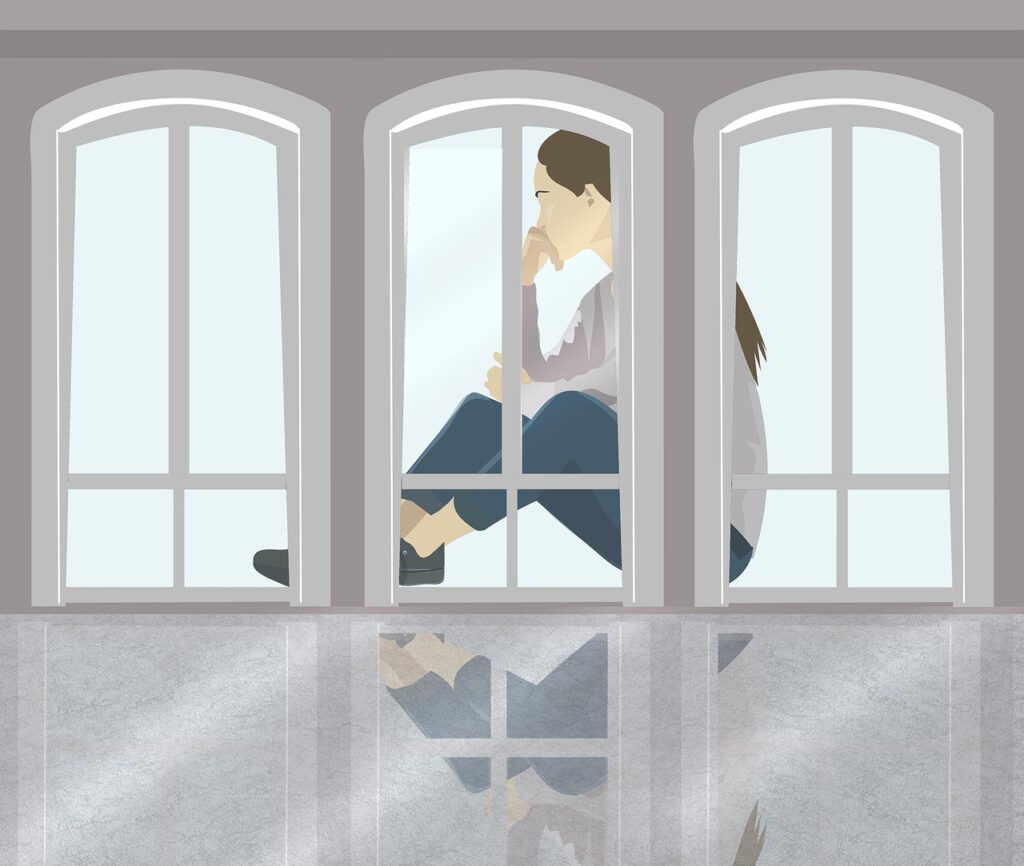
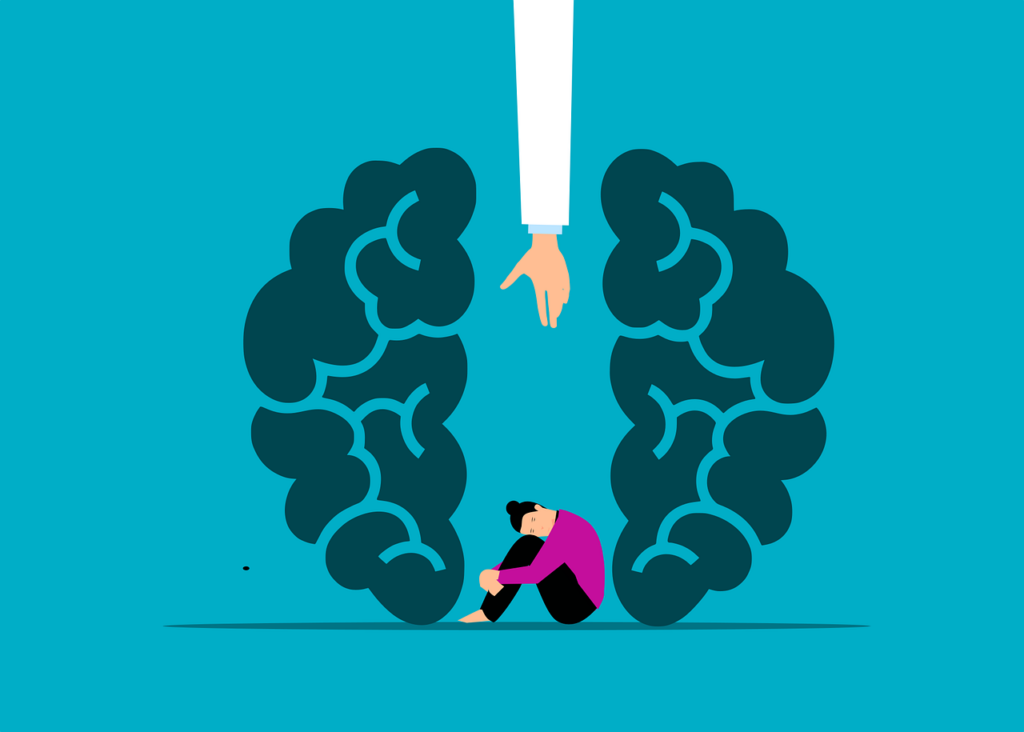
We often hear that pregnancy and new motherhood are supposed to be magical and joyful. And yes, for many women it is. But there’s another side of that story that people don’t talk about enough. The truth is that a lot of mothers are struggling emotionally during pregnancy or after giving birth and many of them are doing it quietly, behind closed doors.
The Reality Many Mothers Face
Maternal mental health is simply how a mother is doing emotionally and mentally during pregnancy and the first year after birth. Maternal mental health is a critical but often overlooked part of women’s health. Pregnancy and the postpartum period bring major physical and emotional changes, and many women struggle silently with conditions such as postpartum depression, anxiety, birth-related PTSD, and other perinatal mood disorders. It’s more common than people realize for women to experience:
- Postpartum depression
- Anxiety
- Trauma from birth
- Mood changes triggered by hormones and stress
And here’s the part that too often gets ignored: about 1 in 5 women go through this, and a lot of them never get help. They’re expected to smile, show up, and “be strong.”
Why This Matters
When a mother is struggling, it doesn’t just affect her, it affects her baby, her partner, her work, and her overall life.
For mothers, untreated mental health issues can make bonding difficult, increase stress, and make everyday tasks feel overwhelming.
For babies, a mother’s emotional well-being can influence development, sleep, feeding, and even how safe and connected they feel in the world.
For families and communities, the impact can show up in stress at home, financial strain, and long-term social and healthcare costs.
Supporting mothers isn’t just “nice”, it’s necessary!
Why So Many Women Don’t Ask for Help
There are real reasons women stay silent:
- Fear of being judged or labeled a “bad mother”
- Feeling like they should be able to handle it
- Doctors not asking about mental health at routine visits
- Limited access to therapy or support
- Cultural beliefs that discourage talking about emotional struggles
A lot of mothers think they’re the only one going through it. They aren’t.
What Needs to Change
If we want healthier families and healthier communities, we need to support mothers better. That means:
- Making mental health screening a normal part of prenatal and postpartum care
- Talking openly about maternal mental health in homes, clinics, faith centers, and social media
- Providing support that respects different cultures, backgrounds, and experiences
- Expanding telehealth and flexible care options
- Creating workplaces that understand how challenging the postpartum period can be
What Mothers Need to Hear
Maybe someone needs this today:
You’re not weak.
You’re not failing.
You’re not alone.
And you deserve support and care not silence and pressure.
Signs to Watch for
A mother may need professional support if she:
- Feels persistently sad, anxious, or hopeless
- Loses interest in activities she once enjoyed
- Has trouble bonding with the baby
- Experiences extreme mood swings
- Has thoughts of harming herself or the baby
If these signs appear, reaching out for mental health care is courageous not a failure.
In Conclusion
Maternal mental health isn’t just a personal issue, it’s a public health issue. When mothers are supported, families are stronger, children thrive, and communities become healthier.
It starts with talking about it openly and refusing to pretend everything is perfect when so many women are suffering quietly.
Featured image credit: BiancaVanDijk on Pixabay